
Milan After Dark
Most tourists sleep early in Milano, but locals know the city truly wakes up around midnight. You won't find the frantic, front-loaded energy of New York clubs here. Instead, expect a slow burn that starts with an aperitivoa pre-dinner drink tradition where snacks are included and ends when the sun threatens to rise.
If you want the full experience, you need to understand the rhythm. This isn't just about finding open doors; it's about navigating a social ecosystem where the right spot depends entirely on what hour you look at your watch.
The Ritual of the Aperitivo
You cannot talk about evenings in this city without addressing the king of traditions. Between 6:00 PM and 9:00 PM, almost every bar serves food for the price of your drink. It usually costs between €15 and €25 per person depending on the location. You order a spritz or a beer, and you gain access to the buffet.
This isn't cheap fast food. Think artisanal crostini, charcuterie boards, and sometimes even pasta risotto. In the high-end areas like Montenapoleone, you might get champagne service, while in the working-class districts, the focus is on hearty portions.
Why does this matter for nightlife? Because many Italians treat this as their dinner. If you show up at a club at 11:00 PM expecting a crowd, you'll find empty dance floors. Most people eat during the aperitivo window, then drift toward the actual party spots by midnight.
- Cocktail pricing: Expect €18-€25 for premium spirits.
- Food inclusion: Usually free with a drink purchase above €15.
- Peak times: 6:30 PM to 8:30 PM for lines; later for relaxed seating.
- Tips: Cash is still preferred in older establishments, though cards work everywhere now.
Navigli: The Canals of Party
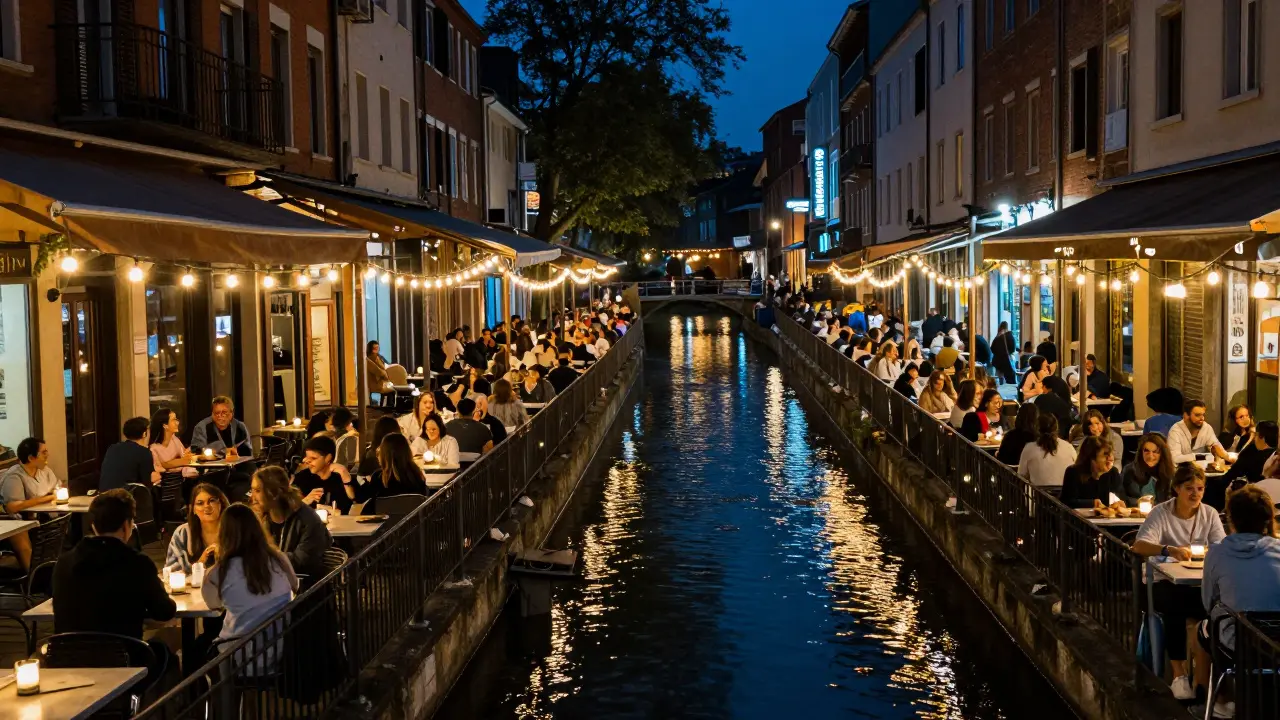
If you want density, head to the Naviglio Grande district. These canals were industrial waterways turned into the city's primary outdoor lounge. Along the banks, string lights drape over hundreds of tables. By day, it's romantic for couples; by night, it becomes the epicenter of student life and younger crowds.
Here, you don't need a reservation for drinks. The vibe is casual. Jeans and sneakers are acceptable most nights. However, some specific spots require a jacket. The noise level rises sharply after 11:30 PM. Music ranges from pop hits to indie rock, rarely getting into hardcore techno until you move deeper into specific club buildings.
| Vibe | Entry Fee | Best Time | Typical Crowd |
|---|---|---|---|
| Lively Pub | Free | 10 PM - 1 AM | Students & Tourists |
| Rooftop Bar | €10-€20 | 9 PM - 2 AM | Couples & Fashionable Locals |
| Dance Club | €25+ | 1 AM - 5 AM | Party Goers & DJ Fans |
Brera and Portici di San Marco
Walking away from the water, you enter the artistic soul of the city. Brera is narrower, cobblestoned, and slightly more expensive. This area houses galleries by day and sophisticated cocktail lounges by night. It appeals to those who prefer conversation over shouting over bass.
The lighting here is dimmer. The service is faster. Dress codes are stricter. A nice shirt or blouse works better than athletic wear. You will see older professionals here, but also young creatives who want to sip a Negroni without sweating through their shirts.
Portici di San Marco sits nearby, near the Duomo. It connects covered passageways where the air stays cool in summer. While less crowded than Navigli, it offers a safer route to walk back to hotels in the center. Security patrols these streets regularly, keeping the atmosphere orderly even when the bar doors close.
Zona Industriale for Hardcore Clubbing
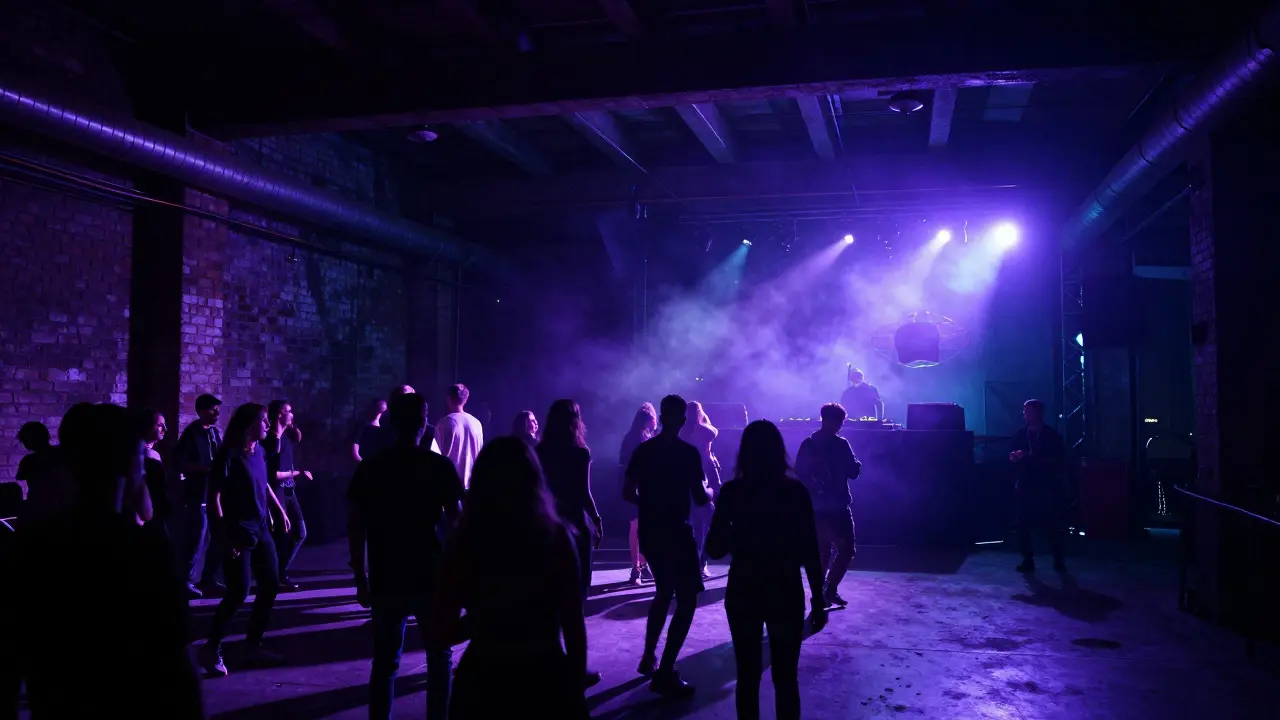
When the clock strikes 1:00 AM, the serious party moves east. Zona Industriale was once filled with factories; now it hosts massive warehouses converted into electronic music temples. If you want house, techno, or drum and bass, this is your destination.
Zona Industriale is the primary hub for late-night raves and underground clubs. These venues stay open until sunrise, often past 6:00 AM. The entry fees are higher here-expect to pay €30 to €60 for a wristband. Many DJs perform here that play international festivals elsewhere in Europe. The crowd knows how to dance, meaning the floor moves consistently throughout the night.Getting there requires planning. The Metro stops running around 11:30 PM on weekdays and midnight on weekends. You will likely need a taxi or rideshare app to bridge the gap from the train station. Taxis wait in designated queues outside major venues to avoid traffic fines.
The Logistics of Late Nights
Many first-time visitors underestimate the timeline. In London or Paris, bars close earlier. In Milan, closing times vary wildly. Some pubs shut at 1:00 AM, while mega-clubs run until dawn. Knowing the difference saves disappointment.
Security is tight at the door. Bouncers check IDs strictly. Even if you look old enough, carry your physical identification. Fines for drinking under age are issued instantly. Dress codes are enforced more rigidly in the clubs than in bars. Flip-flops or sportswear often mean a polite "no" at the entrance unless it's a beach-party themed event.
Paying covers a lot. Unlike Berlin where drinks are cheap, Italian cities charge for bottles and single shots. Budget accordingly. A bottle of wine can range from €40 to €150 depending on the venue reputation.
Safety and Transport After Hours
Milan is generally safe, but pockets of pickpocketing exist near major hubs like Garibaldi Station. Keep your phone tucked away. Do not flash large sums of cash. When returning home, public buses stop much earlier than trains.
Avoid walking alone through long, deserted alleys in the center after 4:00 AM. Use well-lit main roads. Most hotels offer shuttle services if you ask concierge staff ahead of time. Rideshares operate throughout the city, but surge pricing applies during peak exit times (usually 2:00 AM to 4:00 AM).
Frequently Asked Questions
What is the best area for nightlife in Milan?
The Navigli district offers the widest variety of bars and people-watching. For serious clubbing, head to Zona Industriale. Brera is ideal for upscale drinking.
Do I need reservations for clubs?
Not always. Walking in works for smaller bars. For top-tier clubs during weekends, booking a table ensures entry, though general admission tickets often cost more at the door.
How much money should I budget?
Plan for €50 per person for a basic night out including transport and three drinks. For clubbing with bottle service, budgets exceed €150 easily.
Is the city safe at night?
Yes, major tourist areas are safe with standard precautions. Avoid isolated parks and keep valuables hidden to prevent petty theft.
What happens to public transport?
The Metro usually closes around midnight. Trains and buses continue running in limited loops called Notte, but taxis become necessary very late.